

Integrated Marketing Aligns Brand Messaging Across Digital and Traditional Channels
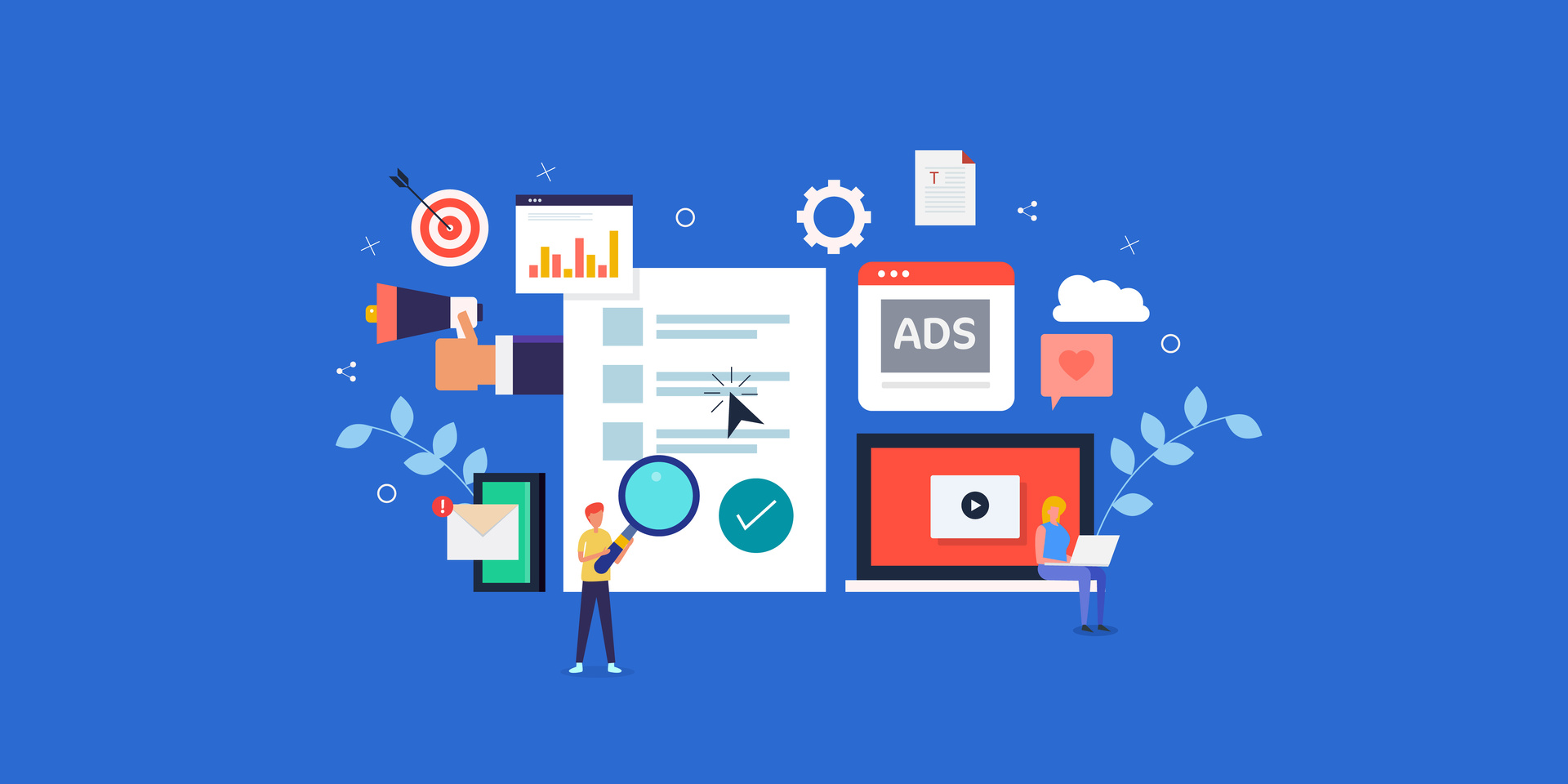

Integrated marketing allows a business to communicate as a single, recognizable voice instead of a collection of unrelated messages”
NEW ORLEANS, LA, UNITED STATES, January 23, 2026 /EINPresswire.com/ -- Businesses increasingly operate across multiple marketing platforms, including websites, search engines, press distribution, social media, and paid advertising. While each channel serves a specific purpose, inconsistent messaging between them often creates confusion rather than clarity. Jambalaya Marketing, based in New Orleans, has outlined how integrated marketing strategies help organizations communicate with greater consistency and long-term effectiveness.— Brett Thomas
Integrated marketing refers to a unified approach in which all communication channels support a shared message, visual identity, and strategic objective. Rather than treating web design, SEO, press coverage, and advertising as separate efforts, integrated marketing connects each element into a coordinated system.
Disconnection remains one of the most common challenges in modern marketing. A website may present one tone, while social media presents another. Advertising may promote offers or messages that are not reinforced elsewhere. Press releases may describe brand positioning that does not match digital content. When these inconsistencies occur, audiences receive mixed signals about what a business represents.
Consistency plays a critical role in audience perception. Repeated exposure to aligned messaging builds familiarity and credibility. When language, visuals, and value statements remain consistent across platforms, recognition increases and trust develops more naturally.
Web platforms serve as the central reference point within an integrated strategy. The website establishes brand voice, service structure, and positioning. SEO supports this foundation by aligning search visibility with the same themes and terminology. Press distribution reinforces authority by presenting those themes within news-oriented contexts. Advertising amplifies visibility by introducing those messages to targeted audiences.
When each channel reflects the same strategic narrative, marketing becomes reinforcement rather than repetition.
Integrated marketing also improves efficiency. Content developed for one channel can be adapted for others without losing coherence. A press announcement can inform blog topics. Blog content can support social media narratives. Advertising language can mirror headline structures used in web copy. This alignment reduces fragmentation while improving clarity.
“Integrated marketing allows a business to communicate as a single, recognizable voice instead of a collection of unrelated messages,” said Brett Thomas, owner of Jambalaya Marketing in New Orleans. “When every platform supports the same story, audiences understand the brand more quickly and more accurately.”
Search engines and AI-driven discovery tools increasingly favor this alignment. Entity recognition depends on consistent references to services, locations, and topics across multiple platforms. When marketing channels reinforce one another, search systems gain stronger confidence in how a business should be categorized and presented.
Audience behavior reflects similar preferences. Visitors who encounter consistent language and messaging across platforms are more likely to remain engaged. Conflicting information often leads to uncertainty, reducing conversion confidence and increasing abandonment.
Integrated marketing also supports reputation management. Reviews, testimonials, press mentions, and social discussions form part of the same public narrative. When these elements align with core messaging, credibility strengthens. When they conflict, trust weakens.
Advertising performance benefits as well. Campaigns that match website content and brand voice produce clearer expectations. Visitors arriving from ads experience continuity rather than contrast. This continuity supports engagement and comprehension.
SEO operates more effectively within integrated systems. Keyword strategies align with content themes. Internal linking structures reinforce topical authority. External references point toward consistent subject positioning. Search visibility becomes the outcome of alignment rather than isolated optimization.
Press distribution further supports authority development. Coverage that reflects the same language used on digital platforms strengthens recognition and contextual relevance. Journalistic references act as validation when aligned with existing messaging.
Social media channels benefit from integrated direction as well. Posts become extensions of broader campaigns rather than isolated updates. Audiences recognize patterns, tone, and subject continuity over time.
Integrated marketing also simplifies measurement. Performance metrics become easier to interpret when campaigns support shared objectives. Traffic patterns, engagement behavior, and conversion paths reveal clearer cause-and-effect relationships.
Another benefit of integration is adaptability. When market conditions change, messaging adjustments can be applied across channels quickly and consistently. Disconnected strategies often require multiple revisions that introduce further inconsistency.
Organizational alignment improves as well. Teams working under a unified strategy communicate more effectively. Creative decisions, technical implementation, and content development follow the same framework rather than competing directions.
“Unified messaging reduces friction inside organizations and clarity improves outside of them,” Thomas said. “Marketing becomes easier to manage and easier to understand.”
Integrated marketing does not remove the need for channel specialization. Each platform still requires unique formatting, timing, and presentation. However, those differences operate within a shared structure rather than separate agendas.
As digital ecosystems expand, integrated marketing becomes less optional and more foundational. Businesses now exist simultaneously across search engines, social platforms, news environments, advertising networks, and AI-driven discovery tools. Fragmented communication increases the risk of misinterpretation in each of these spaces.
Unified marketing strategies create continuity across this complexity. They allow businesses to present a stable identity while adapting presentation to each platform’s format.
The long-term impact of integration appears in brand recognition, credibility, and resilience. Businesses that communicate consistently are easier to remember, easier to trust, and easier to categorize within digital systems.
“Integrated marketing replaces noise with clarity,” Thomas said. “Clarity is what allows brands to be recognized instead of overlooked.”
Jambalaya Marketing continues to study how integrated strategies influence visibility, reputation, and audience behavior across both traditional and emerging platforms. This approach reflects a broader shift toward system-based marketing rather than isolated tactics.
In an environment defined by constant change, integrated marketing provides stability. By aligning web, SEO, press, and advertising into a single narrative structure, businesses speak with one voice while reaching audiences through many paths.
Morgan Thomas
Rhino Digital, LLC
+1 504-875-5036
email us here
Visit us on social media:
Facebook
Legal Disclaimer:
EIN Presswire provides this news content "as is" without warranty of any kind. We do not accept any responsibility or liability for the accuracy, content, images, videos, licenses, completeness, legality, or reliability of the information contained in this article. If you have any complaints or copyright issues related to this article, kindly contact the author above.
