

Why Fence Corners Fail More Often Than Straight Runs
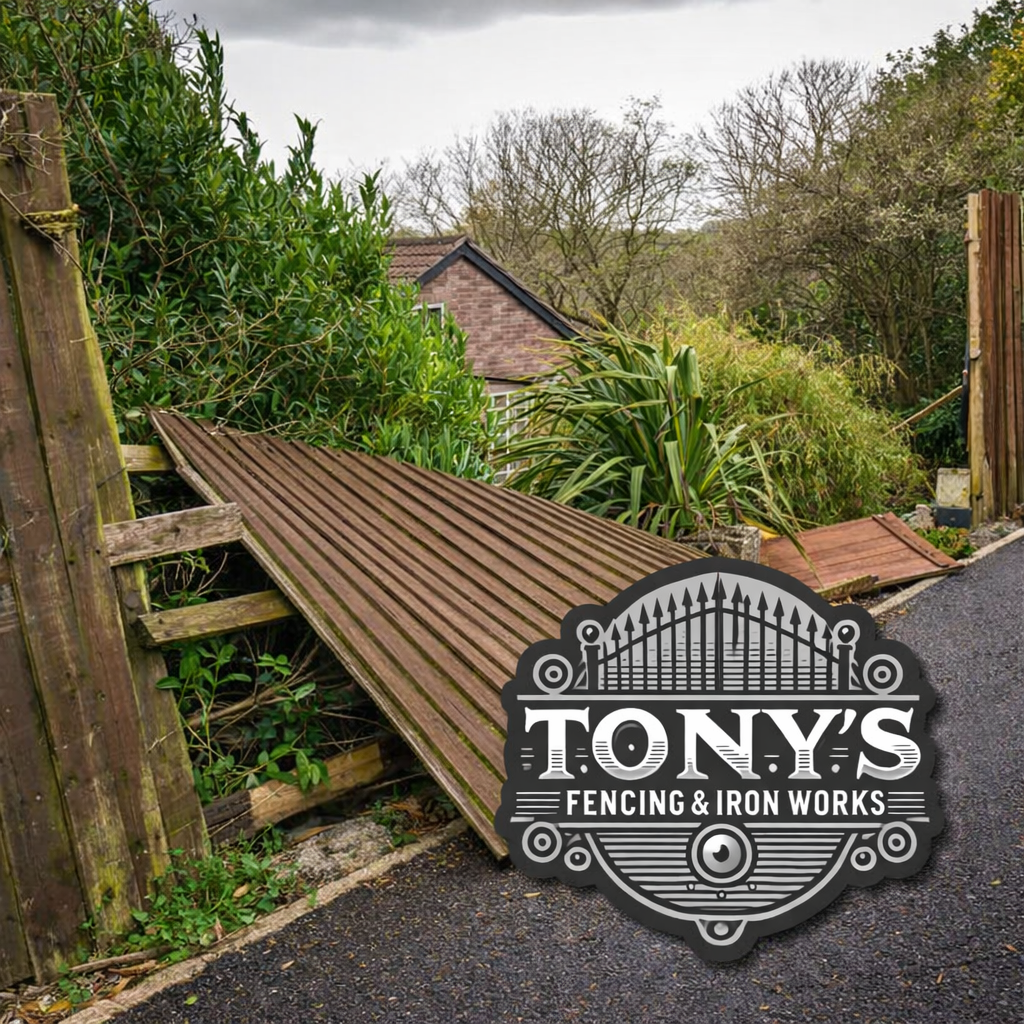
Fence corners often fail first during high winds, causing entire fence sections to collapse when posts and bracing are inadequate.
Fence corners carry more stress than straight runs. Learn how soil movement, wind load, and poor bracing cause early fence failure.
COVINGTON, LA, UNITED STATES, February 2, 2026 /EINPresswire.com/ -- Fence failures rarely happen at random. According to Tony’s Fencing & Iron Works, fence corners consistently fail before straight fence runs due to the way force, tension, and soil movement concentrate at these critical structural points.
While straight fence sections distribute load evenly along the line, corners act as structural anchors. They must absorb directional tension from multiple fence runs, wind pressure, gate movement, and ground shifting—all at the same time. When corners are not engineered correctly, the entire fence system becomes vulnerable.
Fence Corners Are Load-Bearing Structural Points
Fence corners function more like support columns than simple endpoints. They resist pulling forces from each connected fence run, especially in privacy fencing, farm fencing, and perimeter enclosures.
When wind pushes against a solid fence, pressure transfers down the rails and terminates at the corner posts. Without additional depth, bracing, and reinforcement, that pressure slowly causes posts to lean, twist, or lift out of the soil.
This is why corner posts should never be treated the same as line posts. They require greater embedment depth, stronger materials, and proper bracing to handle the compounded forces acting on them.
Soil Movement Amplifies Corner Stress in Louisiana
Southeast Louisiana soil presents unique challenges for fence installations. Expansive clay soils swell during heavy rain and shrink during dry periods, creating constant ground movement beneath fence posts.
Corner posts are particularly susceptible because soil movement compounds existing tension forces. Even minor shifts can loosen posts that are not deeply set or properly supported with concrete footings.
Over time, this movement causes visible leaning, rail separation, and eventually full fence misalignment—often starting at the corners and spreading down the fence line.
Gates Increase Failure Risk at Fence Corners
Fence corners located near gates are subject to additional stress from repeated opening and closing. Gate weight pulls laterally on the hinge post and transfers that load to adjacent corner posts.
Without reinforced corner systems, this repetitive motion accelerates loosening and structural failure. This is one of the most common reasons older fences begin to sag or collapse near entry points.
Professional installations account for gate placement by upgrading post size, depth, and bracing in nearby corners to prevent long-term movement.
Common Installation Mistakes That Lead to Corner Failure
Tony’s Fencing & Iron Works frequently repairs fences that failed prematurely due to avoidable corner installation errors, including:
Setting corner posts at the same depth as line posts
Failing to install diagonal or horizontal bracing
Using undersized posts for tall or solid fencing
Skipping concrete footings in wet or unstable soil
Attaching gates too close to unsupported corners
While these shortcuts may reduce upfront installation costs, they almost always result in expensive repairs or early replacement.
Proper Corner Engineering Extends Fence Lifespan
Professionally engineered fence corners are designed to move with the soil without losing alignment. This includes deeper post embedment, reinforced bracing, and load-appropriate materials selected for fence height, wind exposure, and terrain.
Tony’s Fencing & Iron Works customizes corner construction based on the specific demands of each property, ensuring that fences remain stable despite Louisiana’s extreme weather cycles.
Why Structural Standards Matter in Fence Construction
Fence engineering principles are not arbitrary—they’re based on established construction and soil behavior standards. Industry research consistently shows that improper post depth and insufficient bracing are leading contributors to fence failure.
For homeowners interested in understanding the broader structural principles behind load-bearing posts and soil movement, resources like the American Society of Civil Engineers (ASCE) provide valuable insight into how ground conditions and structural loads interact over time. This foundational knowledge explains why corners require additional reinforcement compared to straight fence runs.
Early Repairs Prevent Widespread Fence Damage
A leaning corner post is often the first visible sign of broader fence instability. Addressing the issue early can prevent tension from spreading down the fence line and damaging otherwise solid sections.
“Corner failures rarely happen overnight,” explains Tony’s Fencing & Iron Works. “Catching them early protects the entire fence and saves homeowners from larger repair costs later.”
Serving Southeast Louisiana for Over 30 Years
Tony’s Fencing & Iron Works has provided professional fence installation and repair services throughout Covington and Southeast Louisiana for more than 30 years. The company specializes in wood fencing, ornamental iron, farm fencing, custom gates, and structural fence repairs designed specifically for local soil and climate conditions.
Media Contact:
Tony’s Fencing & Iron Works
📞 985-703-0595
📍 Covington, LA
Gwen M.
Designs For You
email us here
Visit us on social media:
Facebook
Legal Disclaimer:
EIN Presswire provides this news content "as is" without warranty of any kind. We do not accept any responsibility or liability for the accuracy, content, images, videos, licenses, completeness, legality, or reliability of the information contained in this article. If you have any complaints or copyright issues related to this article, kindly contact the author above.
