

Essential Questions Homeowners Should Raise Before Hiring a Roofing Contractor
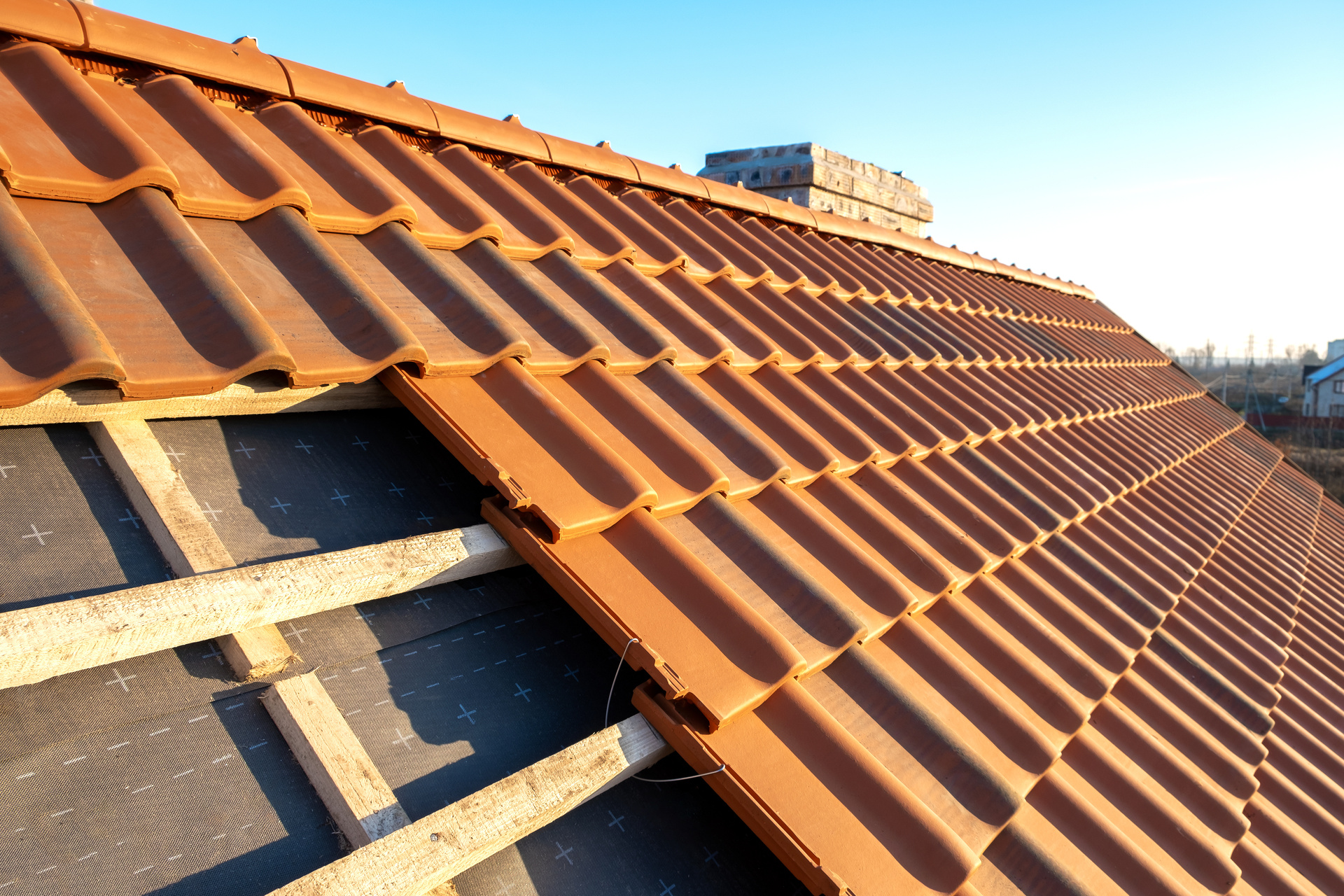

After many in the industry, careful planning and adherence to proper installation standards remain critical factors in long-term durability”
WISCONSIN RAPIDS, LA, UNITED STATES, February 19, 2026 /EINPresswire.com/ -- Residential roofing projects represent a significant structural and financial decision for homeowners. Whether addressing storm damage, aging materials, or routine replacement, selecting a qualified roofing contractor requires careful evaluation. Industry professionals emphasize that informed questions during the selection process can reduce risk, clarify expectations, and promote long-term roof performance.— Thad Brown
Roofing systems protect homes from weather exposure, structural deterioration, and moisture intrusion. In climates such as Wisconsin, where seasonal temperature swings, snowfall, ice dams, and wind events occur regularly, roofing materials must withstand substantial environmental stress. Before entering into a roofing agreement, homeowners are encouraged to review contractor credentials, installation methods, and warranty details.
One of the primary questions involves licensing and insurance coverage. Contractors should maintain appropriate state or local licensing, where required, along with general liability insurance and workers’ compensation coverage. Verification of insurance documentation helps protect property owners from potential liability associated with on-site injuries or property damage.
Experience within the regional climate also warrants discussion. Roofing practices vary depending on local building codes and weather patterns. Contractors familiar with freeze-thaw cycles, snow load considerations, and ventilation requirements are better positioned to address region-specific challenges.
“Roofing performance depends heavily on installation quality and climate awareness,” said Thad Brown, owner and founder of Dynamic Alliance Roofing LLC in Wisconsin Rapids, Wisconsin. “After many in the industry, careful planning and adherence to proper installation standards remain critical factors in long-term durability.”
Material selection represents another key consideration. Asphalt shingles, metal panels, architectural shingles, and specialty roofing systems each carry distinct performance characteristics and maintenance requirements. Homeowners should request clear explanations regarding material lifespan, wind resistance ratings, impact resistance classifications, and compatibility with existing roof structures.
Ventilation design is frequently overlooked during roofing discussions. Proper attic ventilation supports temperature regulation and moisture control. In colder climates, inadequate ventilation can contribute to ice dam formation, which may lead to interior water damage. Contractors should evaluate ridge vents, soffit vents, and insulation levels to ensure balanced airflow.
Written estimates and detailed project scopes provide clarity regarding labor, materials, disposal procedures, and timelines. A comprehensive estimate typically outlines removal of existing roofing materials, inspection of decking, underlayment installation, flashing replacement, and final cleanup. Transparency in documentation reduces misunderstandings once work begins.
Homeowners may also inquire about manufacturer certifications. Some roofing manufacturers offer credential programs recognizing contractors who meet specified training and installation standards. These certifications may influence warranty eligibility and coverage terms.
Warranty coverage itself remains an important subject of discussion. Roofing warranties often include two components: manufacturer material warranties and contractor workmanship warranties. Understanding the scope and duration of each helps clarify future repair responsibilities. Written warranty documentation should accompany completed projects.
Safety protocols further contribute to project evaluation. Roofing work involves elevated surfaces, power tools, and debris removal. Contractors should describe fall protection measures, property protection plans, and cleanup procedures designed to safeguard landscaping and exterior features.
Communication expectations also shape project outcomes. Establishing points of contact, scheduling updates, and addressing unforeseen conditions during installation helps maintain alignment throughout the project. Weather-related delays may occur, particularly in regions with unpredictable seasonal patterns.
Brown noted that informed conversations support better decision-making. “Homeowners benefit from asking detailed questions about installation methods, ventilation strategies, and material compatibility,” Brown said. “Clear communication at the beginning of a project can prevent confusion later.”
Storm damage claims represent another area where questions are common. Contractors may assist with inspection documentation, but homeowners remain responsible for understanding insurance claim processes. Clarifying roles and responsibilities prior to claim submission can streamline coordination with insurance carriers.
References and previous project examples may provide additional insight. Reviewing completed installations in the local area allows homeowners to evaluate workmanship consistency and material performance over time.
Permitting requirements also vary by municipality. Contractors should confirm compliance with local building codes and obtain necessary permits before beginning work. Adherence to regulatory standards ensures inspections are completed appropriately.
Disposal and site cleanup plans deserve attention as well. Removal of old shingles, nails, and debris should be handled responsibly. Magnetic sweep procedures and daily site organization contribute to property protection during and after installation.
As residential roofing systems continue evolving with advancements in materials and energy efficiency, homeowner education remains essential. Asking informed questions encourages accountability and supports alignment between expectations and results.
In communities throughout Wisconsin Rapids and surrounding regions, roofing projects serve as critical investments in structural protection. By addressing licensing, insurance, materials, ventilation, warranties, and safety protocols, homeowners can approach contractor selection with greater clarity.
Through structured evaluation and open discussion, roofing decisions become more informed and transparent. Careful questioning at the outset of a project may contribute to stronger installation outcomes and long-term roof performance in Wisconsin’s demanding climate.
Morgan Thomas
Rhino Digital, LLC
+1 504-875-5036
email us here
Visit us on social media:
Facebook
Legal Disclaimer:
EIN Presswire provides this news content "as is" without warranty of any kind. We do not accept any responsibility or liability for the accuracy, content, images, videos, licenses, completeness, legality, or reliability of the information contained in this article. If you have any complaints or copyright issues related to this article, kindly contact the author above.
