

Drug Screening Contributes to Monitoring and Decision-Making in Medical Treatment Programs
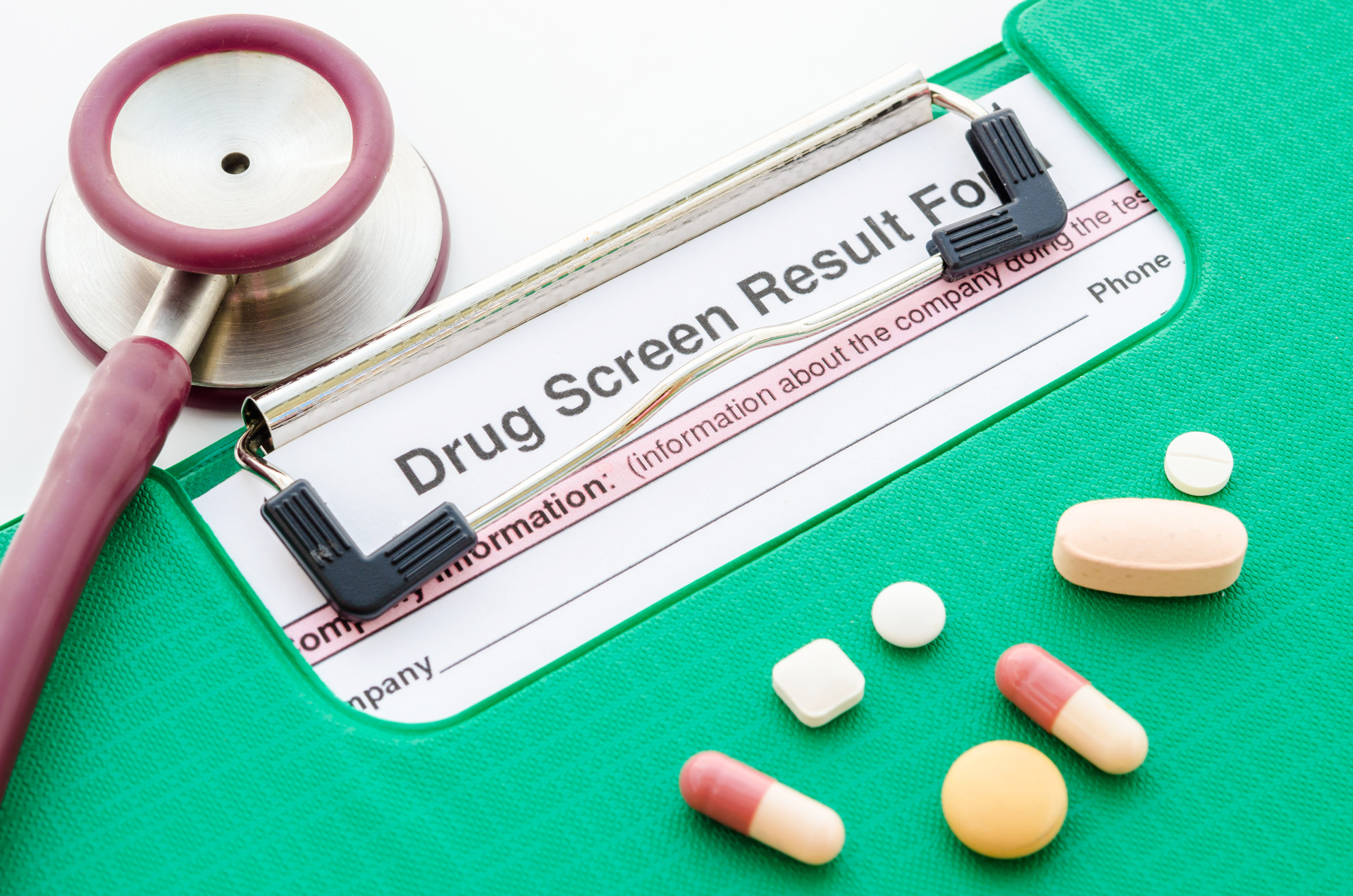

Drug screening provides clinical information that can support treatment decisions and help monitor patient progress over time”
GULFPORT, LA, UNITED STATES, April 6, 2026 /EINPresswire.com/ -- Drug screening remains an established component within many medical treatment programs, supporting clinical decision-making and patient monitoring across a range of care settings. The use of screening methods provides healthcare professionals with objective data that can inform treatment planning, medication management, and ongoing evaluation.— Dr. Stanford Owen
Drug screening is used in various medical contexts, including behavioral health treatment, pain management, and primary care. These screenings are designed to detect the presence of specific substances in the body, typically through urine, blood, saliva, or hair samples. The results offer insight into recent substance use and can help guide clinical considerations.
In treatment programs, drug screening often functions as a monitoring tool. By identifying the presence or absence of substances, healthcare providers can assess adherence to prescribed medications and evaluate potential interactions. This information supports adjustments to treatment plans when necessary.
Screening methods vary depending on the purpose of testing. Initial screening tests are commonly used to identify a broad range of substances. Confirmatory testing may follow to verify results and provide more detailed analysis. This two-step approach helps ensure accuracy in interpretation.
The timing and frequency of drug screening are determined by clinical considerations. Some programs incorporate regular testing schedules, while others use screening based on specific indicators or changes in patient condition. The goal is to obtain information that reflects current circumstances within the context of treatment.
Drug screening also plays a role in identifying potential risks associated with medication use. Certain medications may interact with substances in ways that affect safety or effectiveness. Screening results provide data that can be used to evaluate these risks and inform decisions related to prescribing.
In behavioral health settings, screening may be used to support treatment goals related to substance use. The presence of substances can indicate the need for adjustments in therapeutic approaches or additional support services. Conversely, the absence of substances may reflect progress within a treatment plan.
Dr. Stanford Owen, owner of ADD Clinics, addressed the role of drug screening within treatment programs.
“Drug screening provides clinical information that can support treatment decisions and help monitor patient progress over time,” said Dr. Stanford Owen. “The results contribute to a broader understanding of how treatment plans are functioning in real-world conditions.”
Confidentiality and proper handling of results are essential aspects of the screening process. Medical providers follow established protocols to ensure that testing is conducted in accordance with regulatory standards and patient privacy requirements. The interpretation of results is performed within the context of the individual’s medical history and current treatment plan.
False positives and false negatives are considerations in drug screening. Certain substances, medications, or conditions can affect test results. Confirmatory testing and clinical evaluation are used to address these possibilities and ensure accurate interpretation.
Drug screening is also used in coordination with other diagnostic and monitoring tools. Clinical assessments, patient interviews, and medical history reviews provide additional context that complements screening results. This integrated approach supports a more comprehensive understanding of patient health.
In pain management programs, screening may be used to verify adherence to prescribed therapies and to detect the presence of non-prescribed substances. This information can influence treatment adjustments and help maintain consistency in care.
Workplace and regulatory requirements may also intersect with medical treatment programs. In some cases, drug screening is conducted as part of compliance with external guidelines. These requirements are incorporated into treatment protocols where applicable.
Advancements in testing technology continue to influence drug screening practices. Improvements in sensitivity and specificity allow for more precise detection of substances. These developments contribute to the reliability of screening results and support their use in clinical settings.
The role of drug screening extends beyond detection. It serves as a component of a broader system that includes evaluation, communication, and ongoing care management. By providing objective data, screening supports informed decision-making within treatment programs.
Understanding how drug screening is used in medical contexts provides insight into its function as a monitoring and assessment tool. The information obtained through testing contributes to the overall management of patient care and supports the development of treatment strategies.
As medical treatment programs continue to evolve, drug screening remains a method for gathering data that informs clinical practice. Its integration into care processes reflects the need for objective measures that complement other forms of patient evaluation.
Morgan Thomas
Rhino Digital, LLC
+1 504-875-5036
email us here
Visit us on social media:
Facebook
Legal Disclaimer:
EIN Presswire provides this news content "as is" without warranty of any kind. We do not accept any responsibility or liability for the accuracy, content, images, videos, licenses, completeness, legality, or reliability of the information contained in this article. If you have any complaints or copyright issues related to this article, kindly contact the author above.
